
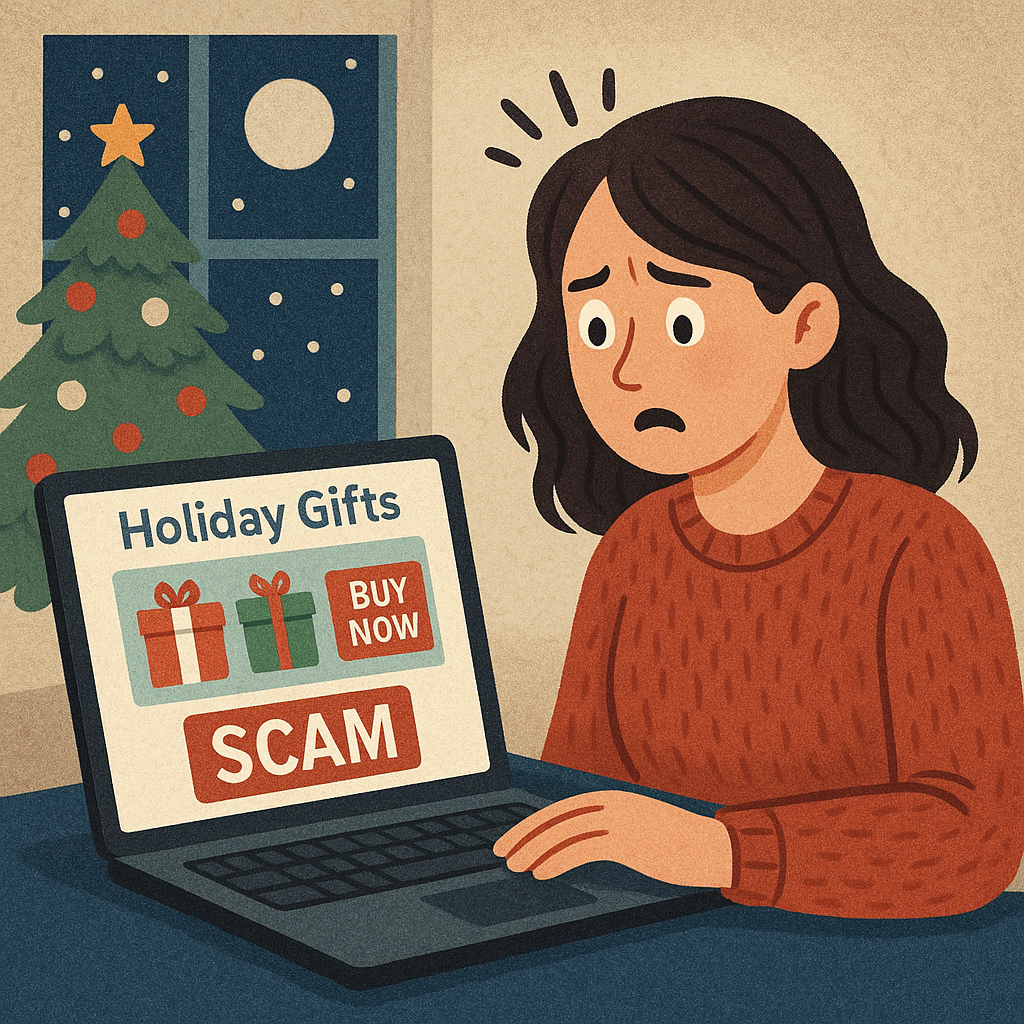
Holiday Scams 2025 — Why Cybercriminals Love the Holidays
Holiday scams 2025 are hitting inboxes earlier and harder than ever.
Every November, as shoppers rush for Black Friday and Cyber Monday deals, cybercriminals take advantage of busy schedules and big emotions. Fake delivery alerts, bogus “order problems,” and look-alike retailer sites are flooding inboxes and social feeds.
According to the Federal Trade Commission, Americans lost over $10.3 billion to online fraud in 2024, up 14 percent year over year — and security researchers warn that losses in 2025 could surpass $12 billion.¹ The majority of these scams begin with a single click on a phishing email or text message.
The good news: a few smart habits can keep your data and money safe.
The New Wave of Scams in 2025
One of the biggest holiday scams 2025 experts are tracking involves the explosion of fake mobile apps and AI-generated websites. Security researchers at Proofpoint report a 260% increase this year in fraudulent shopping apps on both Android and iOS stores — many imitating popular brands or using familiar logos to appear legitimate. These malicious apps often request excessive permissions (such as contact access or payment data) and redirect shoppers to spoofed checkout pages that harvest personal information.
Additionally, scammers are leveraging AI-generated product reviews and fake influencer promotions to lure consumers into counterfeit or nonexistent online stores. The sophistication of these operations makes even seasoned online shoppers vulnerable — reminding us that “looking real” and being real are not the same thing.
How AI Has Changed Online Fraud (and What You Can Do)
Cybersecurity analysts also warn that criminals now use generative AI tools to automate phishing and smishing (SMS-based) attacks, customizing language and tone to specific targets. Instead of clumsy spelling errors, today’s fraudulent messages are polished, localized, and sometimes reference your actual order or zip code — scraped from public data breaches.
To stay safe, be skeptical of any unexpected communication about orders, payments, or deliveries. Use verified brand apps or manually type in retailer URLs instead of clicking links. Keep your devices updated, install reputable mobile security software, and enable alerts for new logins or suspicious card activity. Staying alert to these advanced online shopping safety challenges ensures you can enjoy the convenience of digital deals — without becoming part of this year’s scam statistics.
1. The Most Common Holiday Scams in 2025
Cybersecurity forums and Reddit’s r/Scams community are seeing record discussions about these trending threats:
Fake Shipping Notifications
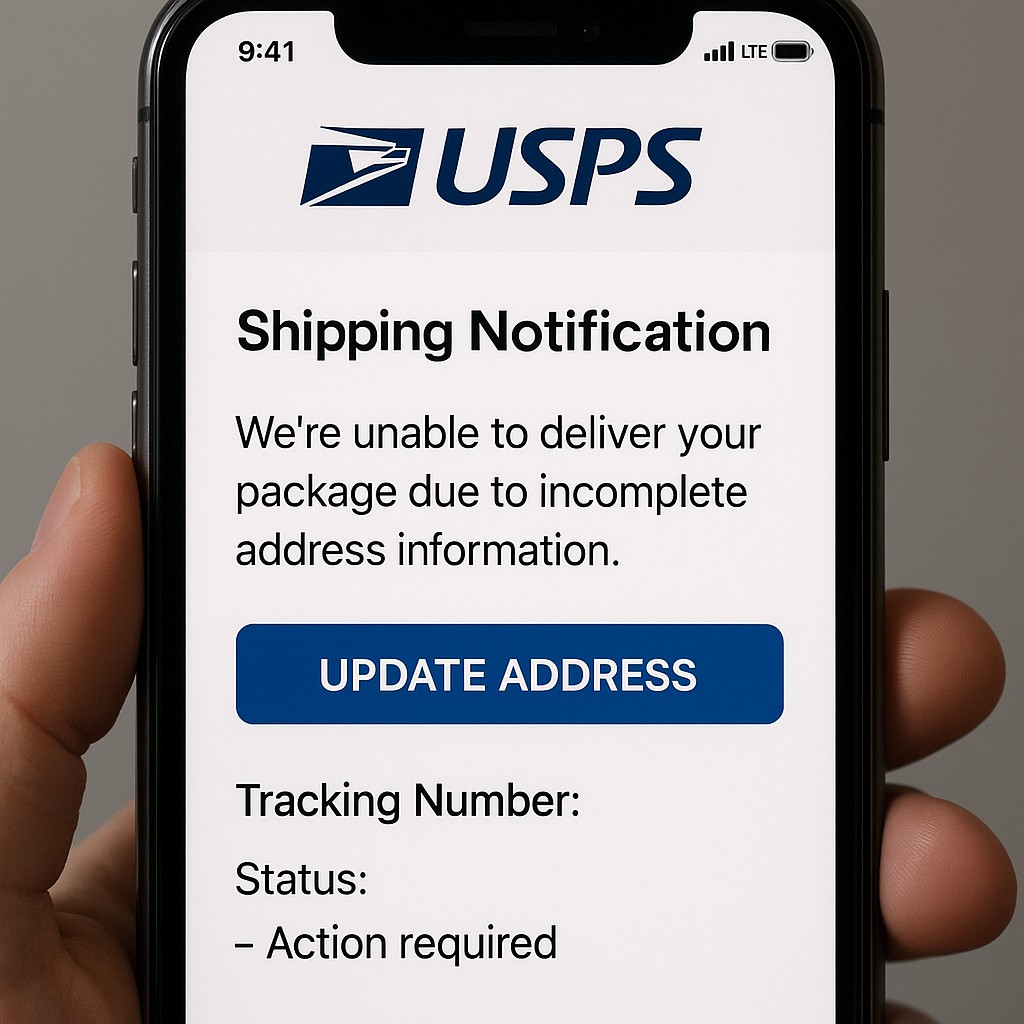
Scammers send texts or emails claiming there’s a “problem with your package.”
Clicking the link installs malware or leads to a fake UPS/USPS login page.
Stat: The U.S. Postal Inspection Service reports a 37 % increase in fake shipping messages in 2025.
Too-Good-to-Be-True Deals
Fraudsters clone big-brand websites and run ads offering 70–90 % discounts.
These fake storefronts collect card details but never ship anything.
Charity and Donation Scams
The “season of giving” inspires criminals to pose as nonprofits.
They’ll send convincing emails using real charity names but slightly altered URLs.
Always donate directly through official websites.
Gift Card and Prize Fraud
A classic that never dies. You’re told you “won” a gift card or that your boss needs you to buy some urgently — a hallmark of workplace phishing during the holidays.
Social-Media Marketplace Fraud
Fake listings on Facebook Marketplace and Instagram remain hot topics.
Buyers pay upfront via Venmo or Zelle and never receive the item.
2. Why Scams Spike During the Holidays
- More online shopping: Adobe’s Digital Insights projects over $220 billion in U.S. holiday e-commerce sales in 2025 — fertile ground for criminals.
- Distraction and urgency: Consumers multitask, shop from phones, and rush to secure “limited-time” deals.
- Rise of AI-assisted scams: Fraudsters now use generative AI to craft convincing, typo-free phishing messages that mimic legitimate brand voices.
A 2025 Check Point Research study found a 400 % surge in holiday-themed phishing attacks between late October and mid-December 2024 — and trends show the same trajectory this year.
3. How to Recognize a Phishing Attempt
Ask yourself three quick questions before you click anything:
- Is the sender real?
– Hover over the address: is it “@amazon.com” or “@amazon-delivery-help.co”? - Is there urgency or fear?
– “Act now,” “final notice,” or “account suspended” are common red flags. - Is the link secure?
– HTTPS and correct spelling matter. Fake sites often swap letters (e.g., “walrnart.com”).
Tip: Never open attachments from unknown senders. Even “invoice.pdf” files can install malware.
4. Five Smart Habits to Stay Safe Online
- Use Strong, Unique Passwords
– A 2025 Dashlane survey shows that 52 % of users reuse passwords across accounts.
→ Try a password manager like 1Password or Bitwarden. - Turn on Multi-Factor Authentication (MFA)
– Microsoft reports MFA blocks over 96 % of bulk phishing attacks. - Shop Through Official Apps or Verified Sites
– Type the retailer’s web address manually rather than clicking links from emails. - Avoid Public Wi-Fi for Purchases
– If you must shop on the go, use a VPN or mobile data instead of coffee-shop Wi-Fi. - Keep Your Devices and Browsers Updated
– About 60 % of exploited vulnerabilities in 2025 had patches available months earlier.
5. What to Do If You Get Scammed
- Contact Your Bank or Card Issuer Immediately — dispute the transaction and request new cards.
- Change Your Passwords and Enable MFA on all affected accounts.
- Report the Incident to the FTC at reportfraud.ftc.gov and to your state consumer agency.
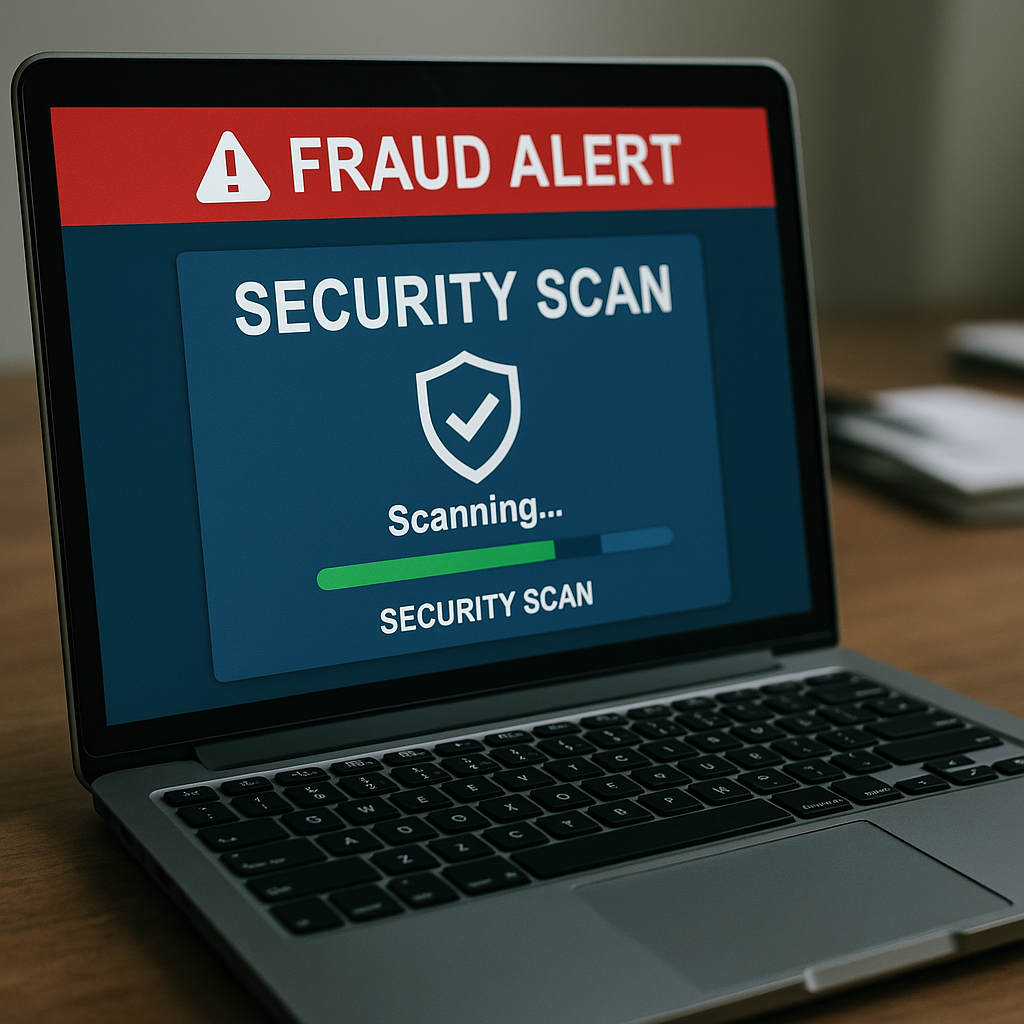
- Run a Full Security Scan on your device using trusted antivirus software.
- Warn Friends and Family — many scams spread through social networks.
6. Quick Holiday Cyber Safety Checklist
- Only click tracking links from official carriers.
- Use credit cards — not debit or wire transfers — for holiday purchases.
- Ignore messages requesting gift card payments.
- Enable purchase notifications from your bank.
- Bookmark retail sites you trust.
- Review account statements weekly through January.
7. Enjoy the Holidays Without the Headache
Scammers thrive on speed and emotion — two things every shopper experiences in November.
Slow down, verify, and trust your instincts. If something feels off, it probably is.
Protecting yourself from holiday scams 2025 doesn’t require advanced tech knowledge — just awareness, a few simple tools, and secure habits.
If you’re in Utah and want a quick, friendly cybersecurity check-up for your home network or devices, the Crossaction team is here to help you shop smarter and stay safer this season.