

Data Protection for Small Businesses — Risks, Responses, and Practical Security Steps
As more business moves online, protecting customer and company data is no longer optional—it’s essential. Cyber threats are increasing, and small businesses are often attractive targets because they may lack dedicated security teams. This article breaks down the most common risks small businesses face, practical data protection steps you can take today, and how managed IT security services can fill gaps you don’t have the time or resources to cover. With the right approach, you can reduce risk, keep customers’ trust, and protect day-to-day operations.
Below we walk through key threats, straightforward protection strategies, the benefits of managed security, and the real consequences of ignoring data protection. The goal is to give small business owners clear, actionable guidance that supports business continuity.
Key Cybersecurity Risks Small Businesses Face Today
Cybercriminals increasingly target small businesses because defenses are often weaker. Knowing the main risks is the first step toward practical protection.
How ransomware and phishing put your data at risk
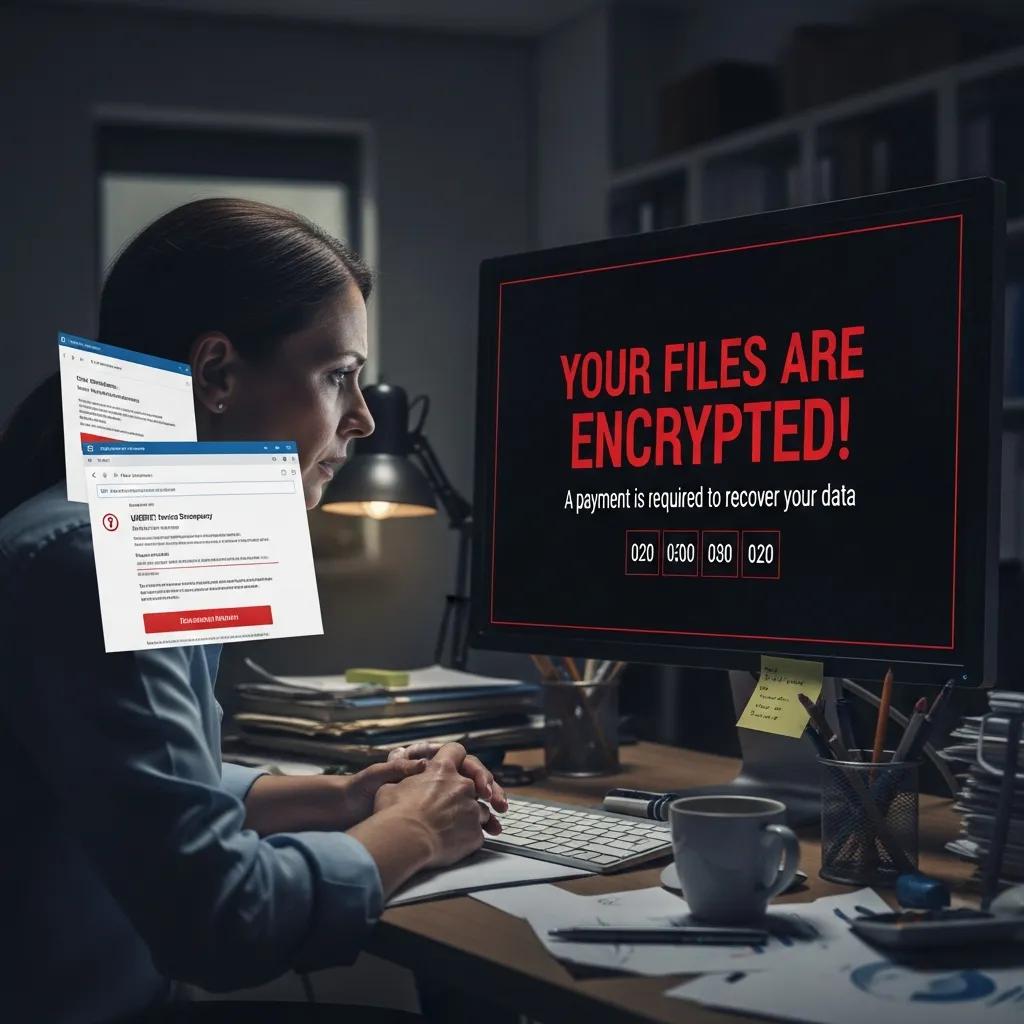
Ransomware and phishing are two of the biggest threats for small businesses. Ransomware is malware that encrypts files and demands payment to restore access. Phishing uses deceptive emails or sites to trick people into revealing passwords, payment details, or other sensitive information. Recent data shows about 43% of cyberattacks target small businesses, underscoring the need for practical defenses like backups, authentication, and staff training.
Research highlights that small businesses are especially exposed to ransomware because they often lack dedicated cybersecurity resources and up-to-date defenses.
Ransomware threats and vulnerabilities for small businesses
Ransomware is a growing, disruptive threat that compromises data and halts operations. Much research focuses on large firms, but this study points to a serious gap: small businesses frequently lack the funds and awareness for comprehensive defenses. Using a mixed-methods approach—reviewing incidents and surveying small business owners in Nigeria—the authors find that inadequate security practices, limited cybersecurity knowledge, and outdated technology drive vulnerability.
Ransomware attacks and their impact on small businesses: Trends, vulnerabilities, and protective measures, O AVWOKWURUAYE, 2025
Financial and reputational costs of a data breach
A breach can be financially devastating. Costs may include legal fees, regulatory fines, incident response, and lost revenue from customers who lose trust. Studies estimate the average data breach cost for a small business at roughly $200,000—an amount that can threaten survival. Reputation damage can also reduce sales and make it harder to win future business.
Beyond immediate costs, human factors and the limits faced by managed service providers can deepen ransomware’s impact on small and mid-sized businesses.
Ransomware impact on SMBs: human factors and MSP challenges
This analysis looks at how ransomware affects organizations and stresses the role of human decisions—both in causing and stopping attacks. The research outlines how preparation, response choices, and available resources shape outcomes. It also highlights that small to medium-sized businesses are often more vulnerable, and that managed service providers (MSPs) face practical challenges when supporting those clients.
Business Impacts of Ransomware, 2024
How small businesses can protect data effectively
Small businesses don’t need perfect security overnight. Prioritize a few high-impact controls and build from there.
Key protections: MFA, backups, and more
Multi-Factor Authentication (MFA) and reliable backups are foundational. MFA requires a second verification step—like a code or hardware token—so stolen passwords alone aren’t enough. Regular, tested backups let you restore files quickly after ransomware or accidental loss, minimizing downtime and recovery costs.
Why employee cybersecurity training matters
Your people are your first line of defense. Practical training helps staff spot suspicious emails, avoid risky links, and follow safe password habits. Cover simple routines—how to verify senders, report suspicious messages, and use company-approved tools. A trained team reduces the chance of successful phishing and other human-driven attacks.
Many small and mid-sized businesses still lag behind larger firms in routine cybersecurity training, which leaves them more exposed to phishing and other preventable attacks.
Cybersecurity training in SMEs: risks and reputation
Studies show larger organizations more often provide regular cybersecurity training. In contrast, many small to medium enterprises (SMEs) are either unaware of the risks or lack the budget for ongoing education. As a result, SMEs frequently suffer breaches that harm reputation, expose personal data, and affect finances and future business opportunities.
Cyber security training in small to medium-sized enterprises (SMEs): Exploring organisation culture and employee training needs, 2023
Why use managed IT security services for small business protection?

Managed IT security services give small businesses access to cybersecurity expertise and tools without hiring a full in-house team. A good provider layers monitoring, threat detection, incident response, and routine maintenance so you can focus on running the business.
How local cybersecurity experts in Northern Utah help
Local cybersecurity experts understand the specific needs and threats facing businesses in Northern Utah. They can respond quickly, tailor protections to your environment, and build ongoing relationships that improve security over time. That local presence often means faster recovery when incidents happen.
How Crossaction’s proactive defense protects your business
Crossaction Business IT Solutions focuses on proactive cyber defense—continuous monitoring, automated threat detection, and a clear incident response plan. By combining proven tools with local expertise, Crossaction helps small businesses detect issues earlier, respond faster, and stay compliant with relevant regulations. That proactive stance reduces risk and gives owners more confidence in day-to-day operations.
Consequences of ignoring data protection
Skipping data protection risks far more than technical headaches. It can threaten legal compliance, customer relationships, and your ability to operate.
Legal and compliance penalties from data breaches
Breaches can trigger legal action and regulatory penalties. Laws such as the General Data Protection Regulation (GDPR) and other local data protection rules require careful handling of personal information. Failure to meet those rules can mean fines, remediation costs, and mandatory notifications—plus the expense of defending against lawsuits.
How data loss erodes customer trust and continuity
Losing customer data damages trust quickly. Customers who feel their information is unsafe will take their business elsewhere, and recovery can take months or years. Operational disruptions from a breach—downtime, lost records, and recovery work—can interrupt revenue and make it hard to serve customers until systems are restored.
Frequently Asked Questions
What types of data are most vulnerable in small businesses?
Small businesses commonly hold customer names, contact details, payment information, and employee records—data that’s attractive to cybercriminals for identity theft or fraud. Intellectual property and business plans can also be targeted. Any sensitive information stored without solid controls is at risk, so protect personal, financial, and proprietary data first.
How can small businesses assess their cybersecurity risks?
Start with a risk assessment: list critical systems and data, identify potential threats, and note where defenses are weakest. Working with a cybersecurity professional can reveal hidden gaps and help you prioritize fixes. Regular audits, vulnerability scans, and penetration tests give a clearer picture of what to address next.
What role do software updates play in protecting data?
Software updates often include security patches that fix vulnerabilities attackers exploit. Running outdated software leaves systems exposed. Make a habit of updating operating systems, applications, and security tools regularly—automated updates make this easier and reduce the risk of missed patches.
How can small businesses recover from a data breach?
Recovery starts with containment: isolate affected systems to stop further damage. Next, assess the scope and notify affected parties and regulators as required. Use backups to restore systems, conduct forensic analysis to learn how the breach happened, and update security measures and policies to prevent a repeat. Clear communication with customers and partners helps rebuild trust.
What are signs a business may be under attack?
Watch for unusual system slowdowns, unexpected crashes, locked files with ransom notes, unfamiliar user accounts or software, and sudden changes to permissions. Employees receiving suspicious emails or reporting strange pop-ups is a common early warning. Investigate promptly—early action limits damage.
Why is a data protection policy important?
A written data protection policy sets clear rules for collecting, storing, accessing, and sharing sensitive information. It helps ensure compliance with laws, guides employee behavior, and reduces accidental exposure. A good policy also reassures customers that you take their privacy seriously and manage data responsibly.